The Science of a Successful Tattoo Cover-Up
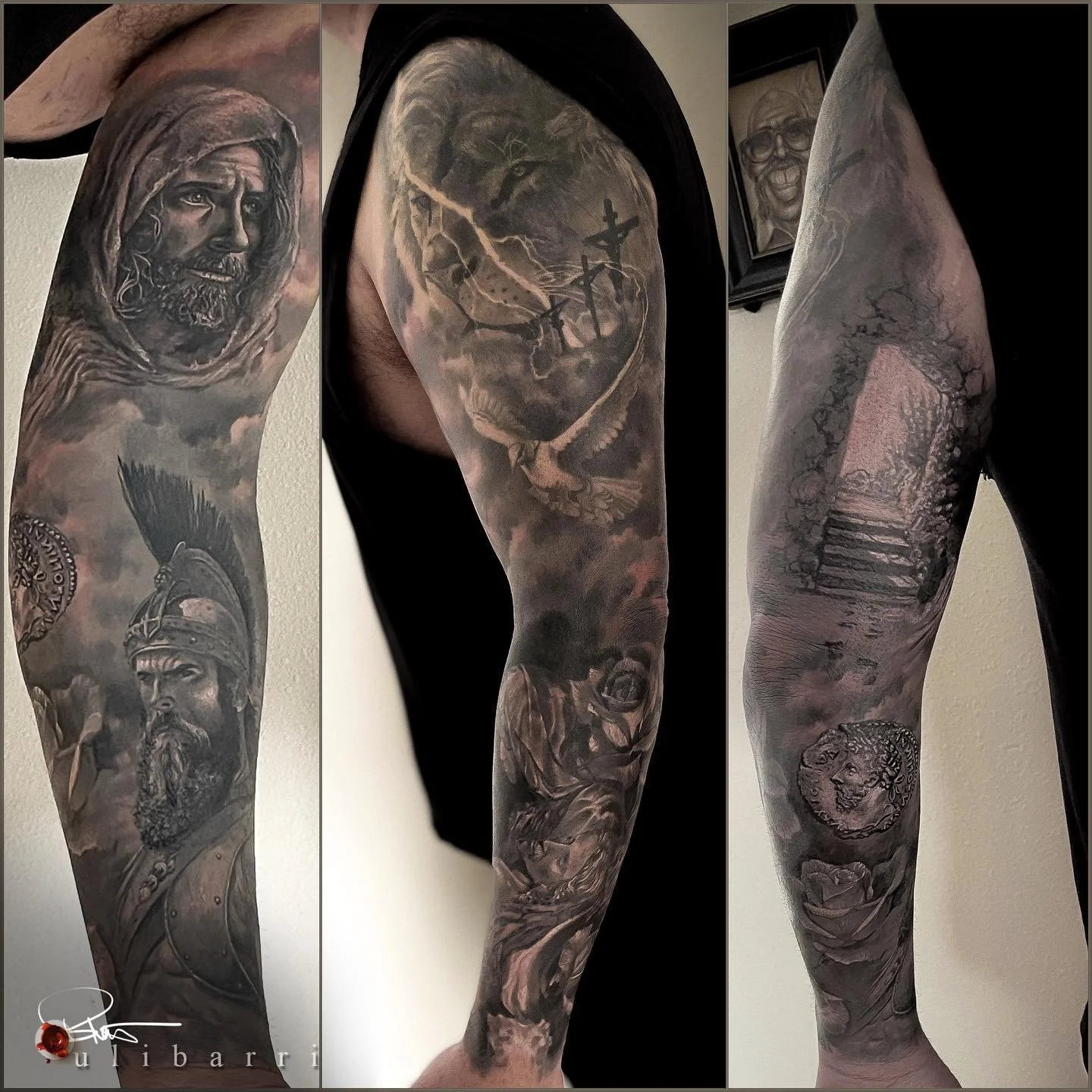
A short Blog Post written by our Resident artist: Brian Ulibarri
A successful cover-up is a complex puzzle requiring a deep understanding of ink chemistry, color theory, and skin anatomy. It isn’t as simple as painting over an old wall; because tattoo ink is transparent, the old and new colors will actually blend together.
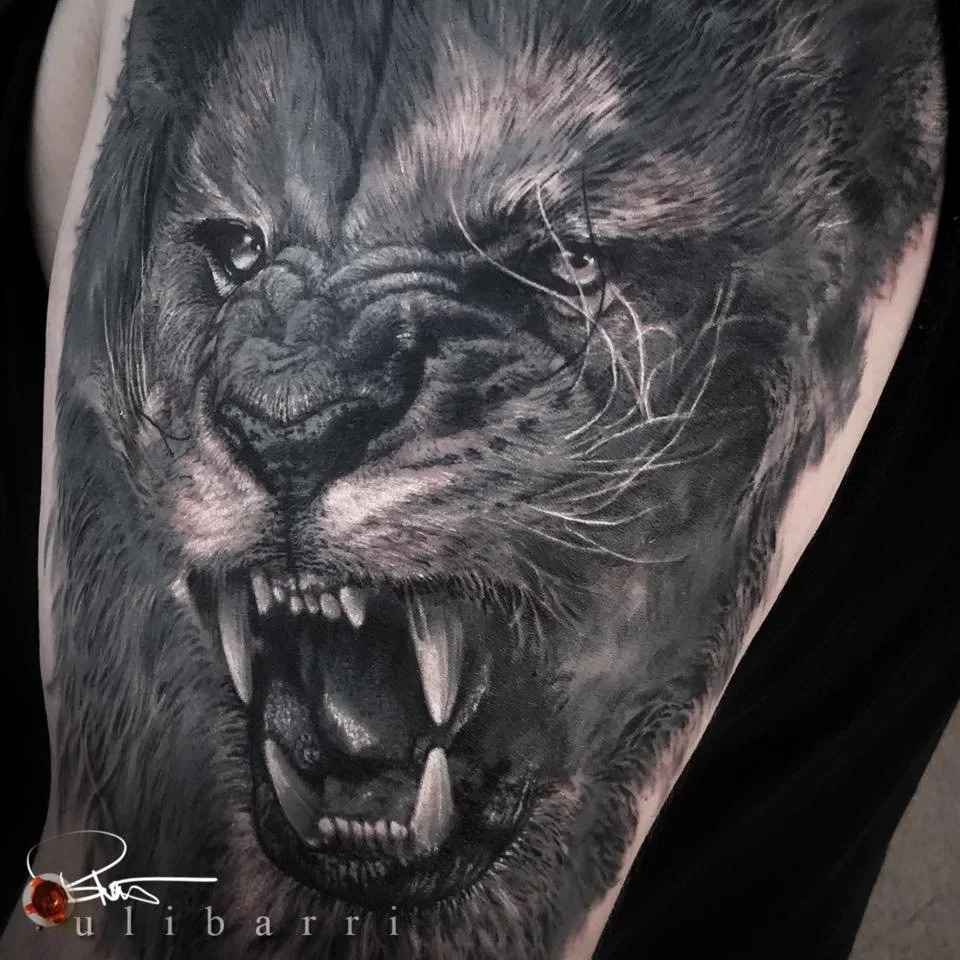
What Works: Flow and Visual Noise
Organic Textures: Designs with high detail—like realistic animals, dense floral patterns, or complex surrealist textures—create "visual noise" that distracts the eye and hides old lines.
Size Up: Cover-ups usually need to be significantly larger than the original piece. This allows the darkest elements to mask the old ink while using clean skin to anchor the new composition.
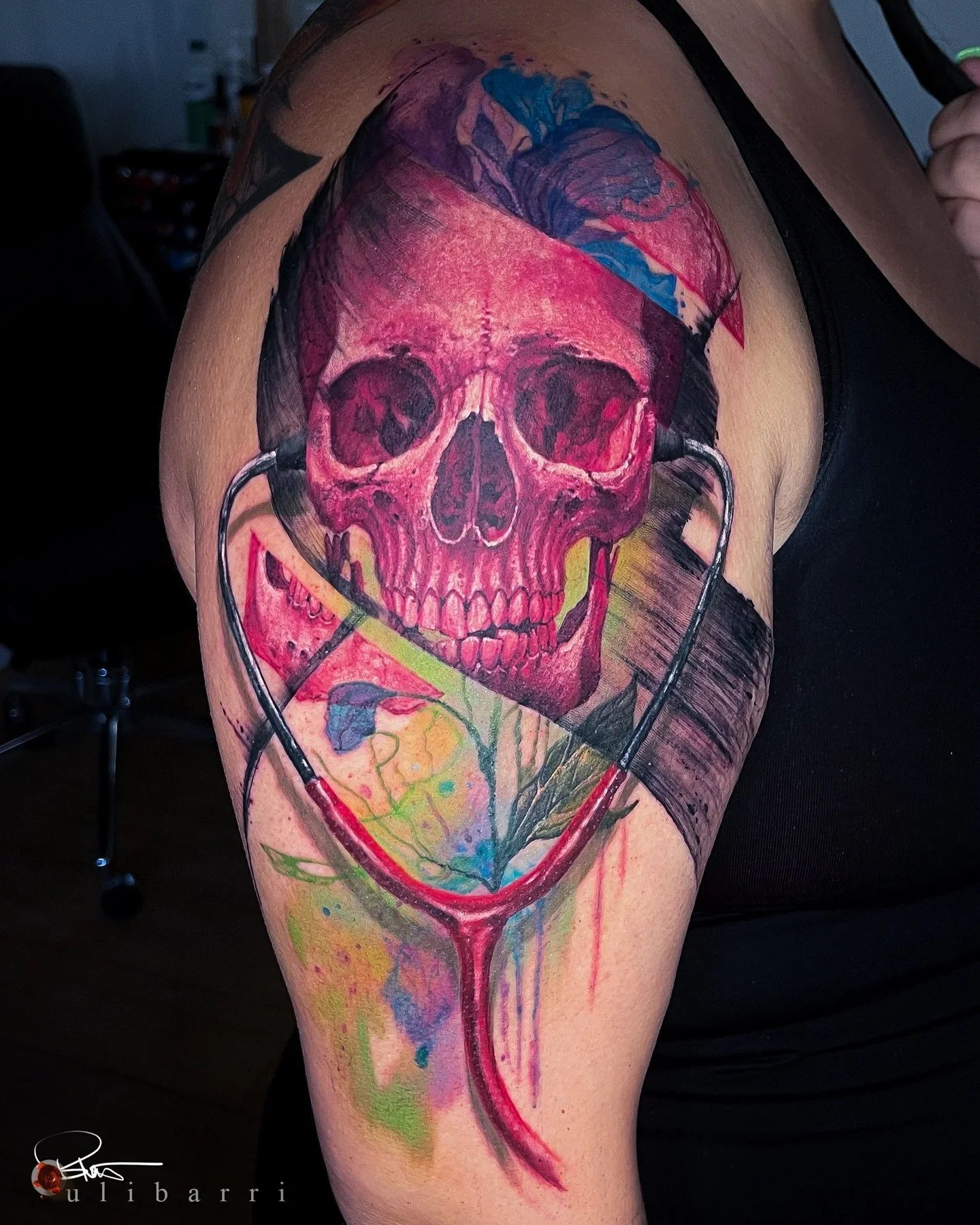
What Doesn’t Work
Light Colors & Open Skin: Light pigments or negative space will allow dark, old ink to "ghost" through once healed.
Fine Lines: Delicate linework lacks the visual weight needed to disguise a bold, heavy old tattoo.
Incompatible Tones: Trying to force light yellows or pinks over dark blues and blacks results in a muddy mess.
By staying flexible with your design ideas and trusting the process of depth and saturation, you can transform regret into a custom work of art.
To see examples of my transformations, visit the Tattoo Gallery. I take on cover-ups on a case-by-case basis—mention your ideas when you schedule your appointment at Real Gone Denver.